Close Menu
  • Home
  • Crypto News
    • Crypto News
  • Bitcoin
    • Bitcoin sub item
  • Altcoins
    • Altcoins
  • Trading
    • Trading
  • DeFi
    • DeFi
  • Guides
What's Hot

How to Bridge BTC to Plasma in 2026 – pBTC Guide

October 14, 2026

How to Bridge ETH to Corn in 2026 – 5 Steps

October 14, 2026

How to Bridge SOL to Berachain in 2026 – 5 Steps

October 14, 2026
Facebook X (Twitter) Instagram
  • Advertise With Us
  • Write for Us
  • Cookie Policy
  • Guides
Facebook X (Twitter) Instagram
IBTC247
  • Home
  • Crypto News
    • Crypto News
  • Bitcoin
    • Bitcoin sub item
  • Altcoins
    • Altcoins
  • Trading
    • Trading
  • DeFi
    • DeFi
  • Guides
IBTC247
Home»Guides»Hot Wallet vs Cold Wallet: Which Do You Actually Need?
Hardware wallet for Bitcoin cold storage with a recovery phrase backup
Guides

Hot Wallet vs Cold Wallet: Which Do You Actually Need?

Gayle CroftBy Gayle CroftOctober 13, 2026No Comments2 Mins Read
Share
Facebook Twitter LinkedIn Pinterest Email

One of the first decisions every crypto beginner faces is where to keep their coins: a hot wallet or a cold wallet. The names sound technical, but the idea is simple. A hot wallet is connected to the internet; a cold wallet is kept offline. That one difference shapes everything about convenience and security.

id=”what-hot-wallets-are-good-for”>What Hot Wallets Are Good For

Hot wallets are apps or browser extensions — like the wallets you use to connect to bridges, swap tokens, or claim airdrops. They are free, take minutes to set up, and make everyday crypto activity fast and easy. If you are actively using DeFi, trading, or bridging between chains, a hot wallet is your daily driver.

The trade-off is exposure: a hot wallet on an internet-connected device faces phishing, malicious sites, and malware. Think of it like cash in your pocket — convenient, but not where you keep life-changing amounts.

What Cold Wallets Are Good For

Cold wallets — usually hardware devices — store your private keys offline, signing transactions without ever exposing the keys to the internet. Even if your computer is riddled with malware, the keys never leave the device. This makes them the standard choice for long-term holdings you rarely touch.

The downsides are cost (you buy the device), a small learning curve, and less convenience — every transaction needs the device plugged in and confirmed physically. But that physical confirmation is exactly what stops remote attackers cold. For a look at how wallet tech is evolving beyond both categories, see our account abstraction wallet explainer.

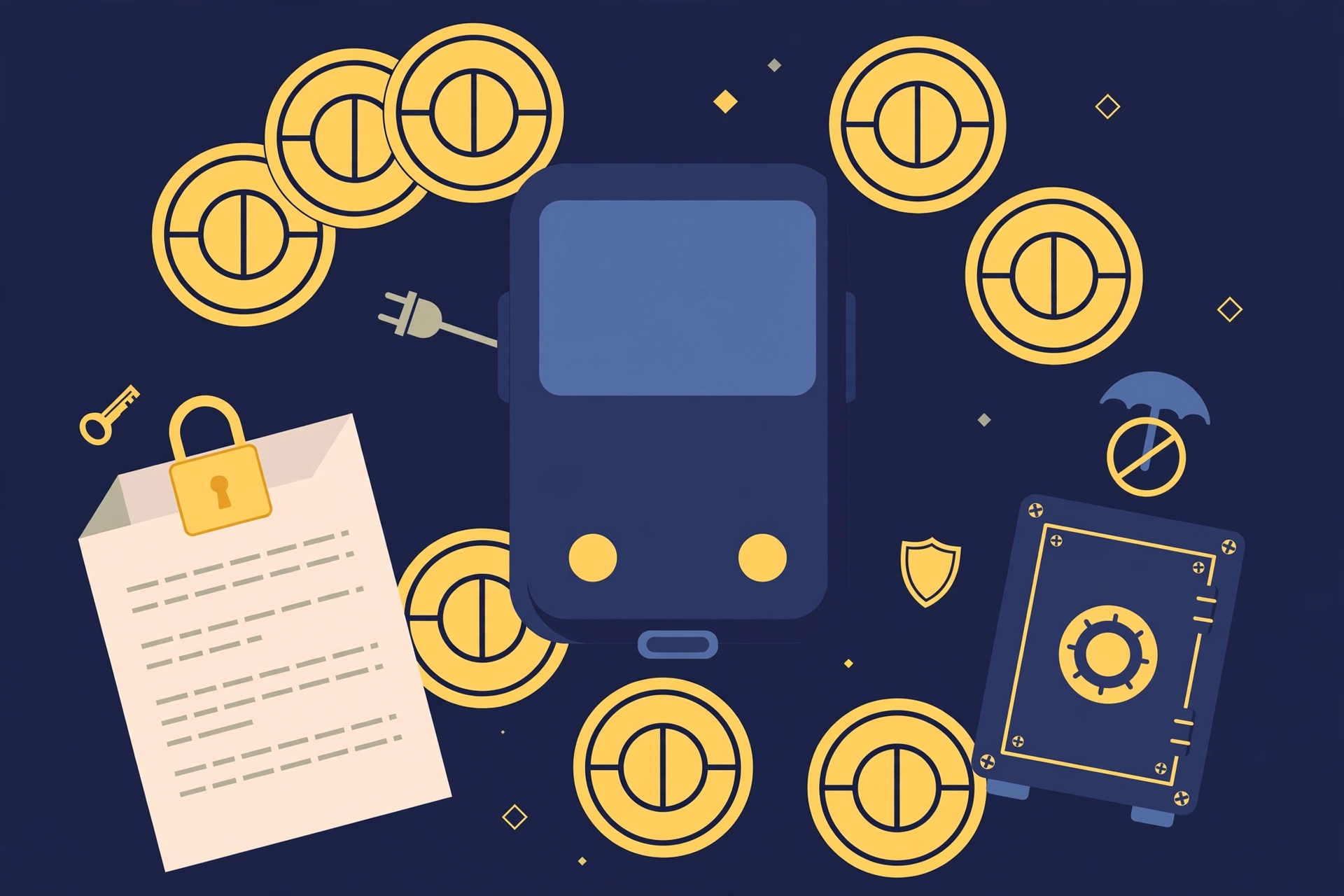
Hot Wallet vs Cold Wallet: Which Do You Actually Need? - illustrated guide

Which Do You Actually Need?

For most beginners, the answer is both — in stages. Start with a reputable hot wallet for learning: small amounts, bridging, swapping, exploring. Once your holdings grow to an amount you would be upset to lose, get a hardware wallet and move the bulk there, keeping only “spending money” in the hot wallet.

Whichever you use, the fundamentals never change: back up your seed phrase on paper, never share it, and verify every URL before connecting.

✅ Key takeaway: Use a hot wallet for daily activity and small amounts, and a cold (hardware) wallet for long-term holdings. Most experienced users keep both — “pocket cash” hot, “savings” cold.
⚠️ A hardware wallet does not protect you from approving a malicious transaction or entering your seed phrase on a phishing site. You still must verify URLs and read every confirmation screen on the device itself.

Frequently Asked Questions

Can a hot wallet be hacked?
Yes — hot wallets are exposed to phishing sites, malicious approvals, and device malware. Keep only amounts you actively use in a hot wallet, and move the rest to cold storage.
Is a hardware wallet 100% safe?
No wallet is 100% safe. A hardware wallet protects your keys from remote theft, but you can still lose funds by approving a malicious transaction, falling for a phishing site, or losing your seed phrase backup. It removes some risks, not all.
Do I need a cold wallet as a total beginner?
Not on day one. Start with a hot wallet and small amounts while you learn. Once your holdings reach a level that would genuinely hurt to lose, that is the time to invest in a hardware wallet.
Hot Wallet vs Cold Wallet: Which Do You Actually Need? - illustrated guide

The Bottom Line

Hot wallets give you convenience for everyday crypto; cold wallets give you serious security for serious holdings. Start hot and small, go cold as your stack grows, and guard your seed phrase like your financial life depends on it — because it does.

This guide is for education only — not financial advice.

Share. Facebook Twitter Pinterest LinkedIn Tumblr Email
Gayle Croft

Related Posts

How to Bridge BTC to Plasma in 2026 – pBTC Guide

October 14, 2026

How to Bridge ETH to Corn in 2026 – 5 Steps

October 14, 2026

How to Bridge SOL to Berachain in 2026 – 5 Steps

October 14, 2026

How to Bridge ETH to Soneium in 2026 – 5 Steps

October 14, 2026
Add A Comment
Leave A Reply Cancel Reply

Top Posts

Subscribe to Updates

Get the latest crypto news, guides and market insights from IBTC247 — straight to your inbox.

Advertisement
CRYPTO INSIGHTS
CRYPTO INSIGHTS

Your source for crypto insights, news, and knowledge.

iBTC247 brings you the latest updates and informative content covering Bitcoin, altcoins, blockchain

Facebook X (Twitter) Instagram YouTube
Top Insights

How to Bridge BTC to Plasma in 2026 – pBTC Guide

October 14, 2026

How to Bridge ETH to Corn in 2026 – 5 Steps

October 14, 2026

How to Bridge SOL to Berachain in 2026 – 5 Steps

October 14, 2026
Get Informed

Subscribe to Updates

Get the latest crypto news, guides and market insights from IBTC247 — straight to your inbox.

Facebook X (Twitter) Instagram Pinterest
  • Write for Us
  • Cookie Policy
  • Disclaimer
  • Privacy Policy
  • Contact Us
  • About Us
© iBTC247. All Rights Reserved.

Type above and press Enter to search. Press Esc to cancel.